
Why quick, targeted roof repairs matter
Find the likely entry point
We work back from the symptoms instead of guessing from the inside stain alone.
Repair the weak detail
Flashing, seals, coverings and edges are checked where water often gets in.
Protect the structure below
Dealing with the leak sooner can help limit damage to timbers and finishes.
Treat the leak, not just the ceiling mark
A damp patch indoors does not tell the whole story. Water can travel before it shows itself, which is why a leaking roof repair needs to focus on where the roof is failing rather than the stain that finally appears below it. We look at accessible areas and the most likely weak points, including slipped or broken coverings, failed flashing, worn seals, damaged edges and drainage issues that let water back up where it should not.
That approach helps us decide whether the problem is truly local and suitable for repair.

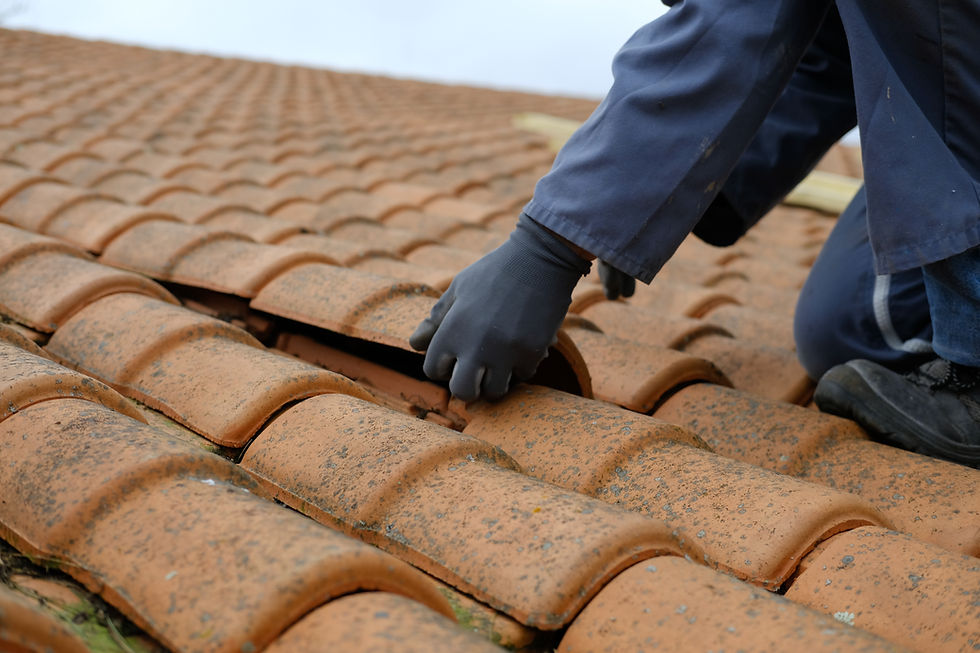
Fast attention can prevent wider damage
On London properties, a roof leak rarely stays neatly above the ceiling line. Moisture can affect timbers, insulation and interior finishes, turning a repairable defect into a wider mess. We remove failed material, carry out the repair needed and review the junctions around the area so the roof is weather-tight again. The age of the roof and the condition of nearby materials still matter, but prompt action gives you a better chance of containing the problem before it spreads.
Frequently asked questions
Can a leaking roof always be repaired?
Not always. If the defect is local and the surrounding roof is still in decent condition, a repair can be the right answer. If the materials around the leak are also failing or the problem keeps coming back, a wider replacement may make more sense.
Why is the leak not always above the damp patch?
Water can travel along materials before it becomes visible inside, so the stain may show up some distance from the true entry point. That is why looking at likely roof defects and junctions is more useful than assuming the mark indoors tells you exactly where the failure sits.
What parts of the roof commonly fail first?
Flashing, edges, cracked or slipped coverings, worn seals and problem drainage points are common repair areas. They are the details that deal with movement and water flow every day, so they tend to show trouble sooner than the broader sections of roof around them.